



Heartburn, acid reflux, and bloating—these discomforts often trace back to one root cause: the foods we eat. While not all acidity is harmful, regularly consuming certain acidic foods can irritate the digestive system, especially for people prone to reflux or indigestion. In this blog, we’ll dive deep into the acidic foods to avoid, understand how they affect your gut, and explore how products like Gaviscon Oral Suspension Antacid can offer effective relief.
Why Do Acidic Foods Cause Problems?
The human stomach is naturally acidic to help digest food. However, consuming additional acidic foods can sometimes overload this environment. When that happens, it may trigger:
- Acid reflux (stomach acid flows back into the esophagus)
- Heartburn
- Gas and bloating
- Chronic indigestion
For individuals with sensitive digestive systems, staying informed about the acidic foods to avoid becomes essential.
Citrus Fruits: Tangy But Tough on Your Stomach
Examples: Oranges, lemons, grapefruits, limes
Properties:
Citrus fruits are loaded with citric acid and ascorbic acid (Vitamin C), which are beneficial in moderation. But for someone with an already acidic stomach, they can spike acid levels quickly.
Why They Harm:
Citrus increases stomach acidity and weakens the lower esophageal sphincter (LES), the muscle that prevents acid from traveling back into the esophagus. This may cause a burning feeling and potentially long-term reflux issues.
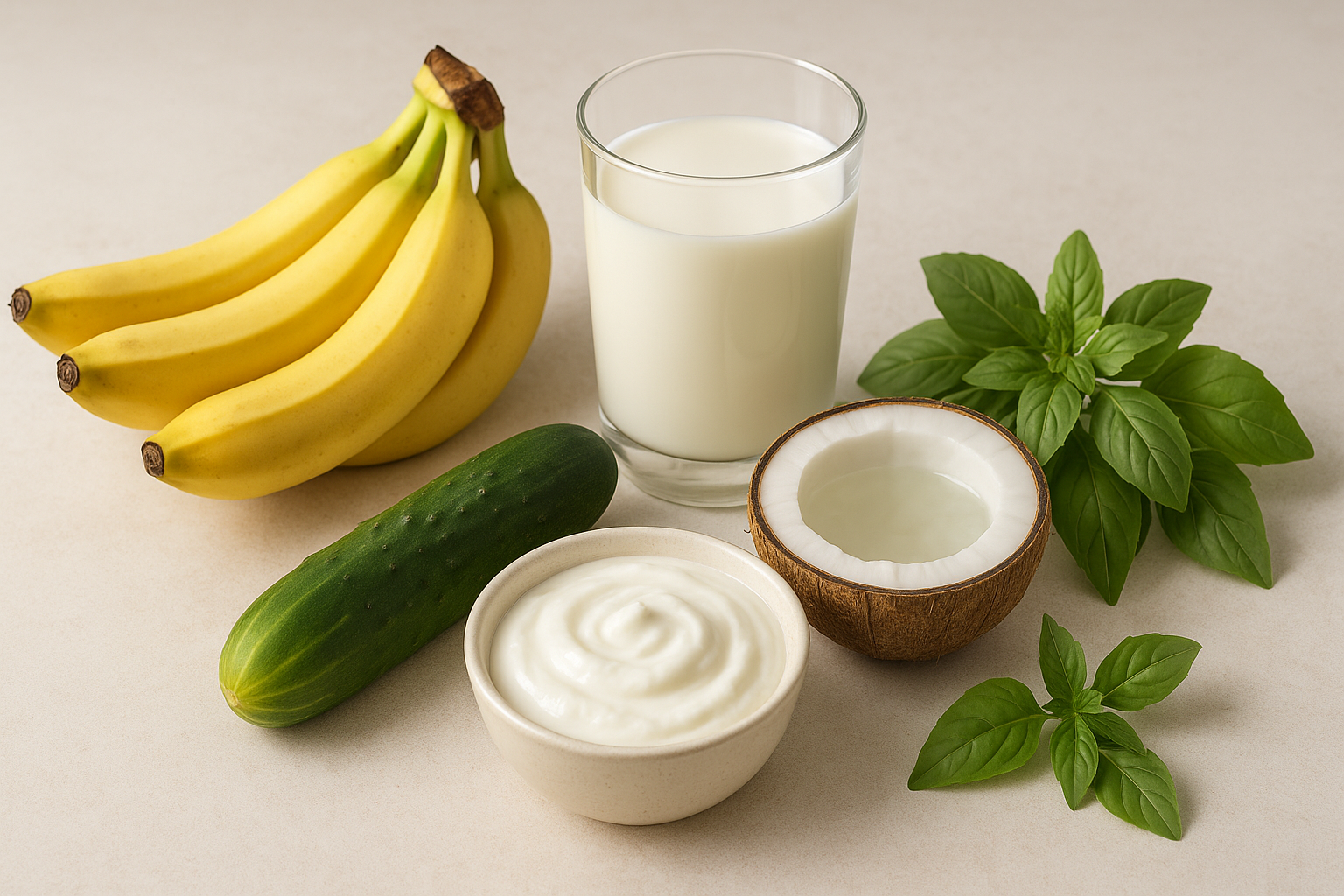
Tip: Choose low-acid fruits like bananas, melons, or papayas for a gentler digestive experience.
Coffee: Your Morning Cup May Be Too Harsh
Coffee Includes: Black coffee, espresso, iced coffee
Properties:
Coffee is naturally acidic, containing chlorogenic acid and other compounds that stimulate gastric acid production.
Why It Harms:
Caffeine not only increases stomach acid but also relaxes the LES, making reflux more likely. Having coffee without food can worsen its impact, sometimes causing nausea or stomach discomfort.
Tip: Switch to herbal teas like chamomile or ginger tea that soothe the stomach and help digestion.
Tomatoes: The Hidden Culprit in Everyday Meals
Examples: Raw tomatoes, tomato sauce, ketchup, salsa
Properties:
Tomatoes are rich in malic acid and citric acid, making them among the top acidic foods to avoid.
Why They Harm:
The acids in tomatoes stimulate acid production and irritate the stomach lining. Tomato-based products often also contain added sugars and preservatives, compounding the problem.
Tip: Opt for white sauce or herb-based dressings in your meals instead of tomato-heavy options.
Processed Cheese: Tasty But Tricky
It includes: Such as cream cheese, processed cheese slices, American cheese, and cheesy dips like nacho sauce.
Properties:
While cheese isn’t acidic in taste, processed versions often have added acidic preservatives like lactic acid or citric acid to increase shelf life.
Why It Harms:
These additives not only contribute to overall dietary acidity but also cause slow digestion. Dairy can sometimes worsen reflux, especially in people who are lactose intolerant.
Tip: Choose aged cheeses like parmesan or natural cottage cheese in moderation.
Soft Drinks and Carbonated Beverages
Includes: Colas, diet sodas, sparkling water, energy drinks
Properties:
Soft drinks typically include acids like carbonic (from carbonation), phosphoric (preservative), and citric (flavor enhancer), which make their pH very low, usually between 2.5 and 3.5.
Why They Harm:
These beverages weaken the LES, introduce too much acid into the stomach, and cause bloating due to trapped gas. Even sugar-free or “diet” options are equally acidic and harmful.
Tip: Replace soda with alkaline beverages like coconut water or plain water with a splash of cucumber or mint.
How Do These Acidic Foods Impact Long-Term Health?
Consuming these acidic foods to avoid regularly can gradually erode the protective lining of your stomach and esophagus. Long-term effects may include:
- Gastritis: Inflammation of the stomach lining
- Esophagitis: Inflammation of the esophagus
- GERD (Gastroesophageal Reflux Disease): A chronic condition that can lead to ulcers and damage if untreated.
Also, the discomfort and irregular digestion they cause may disturb sleep, appetite, and energy levels.
How to Know if You’re Sensitive to Acidic Foods?
Here are some signs that may suggest you should cut back:
- Frequent bloating and belching
- Burning sensation in the chest after meals
- Sour taste in the mouth or sore throat
- Feeling overly full even after a small meal
- Chronic cough with no respiratory cause
Relief Is Possible with Gaviscon Oral Suspension Antacid
While dietary changes are the best long-term solution, managing symptoms effectively in the moment is equally important. Gaviscon Oral Suspension Antacid offers quick and dependable relief from discomfort caused by excess stomach acid.
Key Benefits of Gaviscon Oral Suspension
- Forms a Protective Barrier: Creates a foamy layer on top of the stomach to block acid from moving upward.
- Acts Quickly: Offers near-instant relief from heartburn and reflux symptoms.
- Soothes the Throat: Helps neutralize acidity in the esophagus, reducing pain and irritation.
- Clinically Proven: Trusted by doctors and pharmacists for decades for its effectiveness and safety.
Whether you’re dealing with occasional acidity or recovering from a dietary slip-up, Gaviscon provides dependable relief. Also, you can prefer foods that help relieve acidity naturally.
Tips to Reduce Acid in Your Daily Diet
Aside from avoiding specific foods, you can also adopt a few practices to maintain a healthy acid-base balance:
- Eat smaller, more frequent meals
- Avoid lying down immediately after eating
- Chew food thoroughly and eat slowly
- Keep your dinner light and eat at least 2–3 hours before bed
- Drink more water throughout the day
- Track your food to find personal triggers
Final Thoughts: Choose What Nourishes, Not What Harms
Food can be medicine—or it can be a source of discomfort. By identifying the acidic foods to avoid, you take the first step toward better digestive health and daily comfort. Remember, small changes like switching out your soda or going easy on tomatoes can have a big impact.
Pairing these efforts with the soothing effect of Gaviscon Oral Suspension Antacid helps you manage both the short-term symptoms and long-term outcomes. Choose foods that support your well-being rather than trigger unease.
Disclaimer: This content is just for general information and advice. It’s not meant to replace a doctor’s opinion. Always talk to a medical expert or your own doctor for proper guidance. AcidRefluxindia is not responsible for how you use this information.