



Acidity, also known as acid reflux or heartburn, is a common digestive issue caused when stomach acid flows back into the esophagus. This condition can lead to discomfort, burning sensations in the chest, bloating, and even nausea. If you frequently experience acidity, managing your diet is crucial. Knowing what to eat in acidity and what to avoid can significantly reduce the frequency and intensity of symptoms.
This guide will help you discover which foods ease acidity, which ones to limit, and how to manage symptoms with simple natural tips. We’ll also highlight how Gaviscon Oral Suspension Antacid offers quick and effective relief when symptoms strike.
Why Does Acidity Happen?
Before diving into dietary suggestions, let’s understand why acidity occurs:
- Excess stomach acid production
- Poor eating habits (overeating, eating too fast)
- Lying down after meals
- High-fat and spicy foods
- Caffeine, alcohol, and carbonated drinks
Lifestyle factors like stress, sleep issues, smoking, and lack of exercise can also contribute.
What to Eat in Acidity: Best Foods for Relief
Certain foods can help neutralize stomach acid, soothe the digestive tract, and promote overall gut health. Hence, you should choose foods that help relieve acidity naturally. Here are some of the best options:
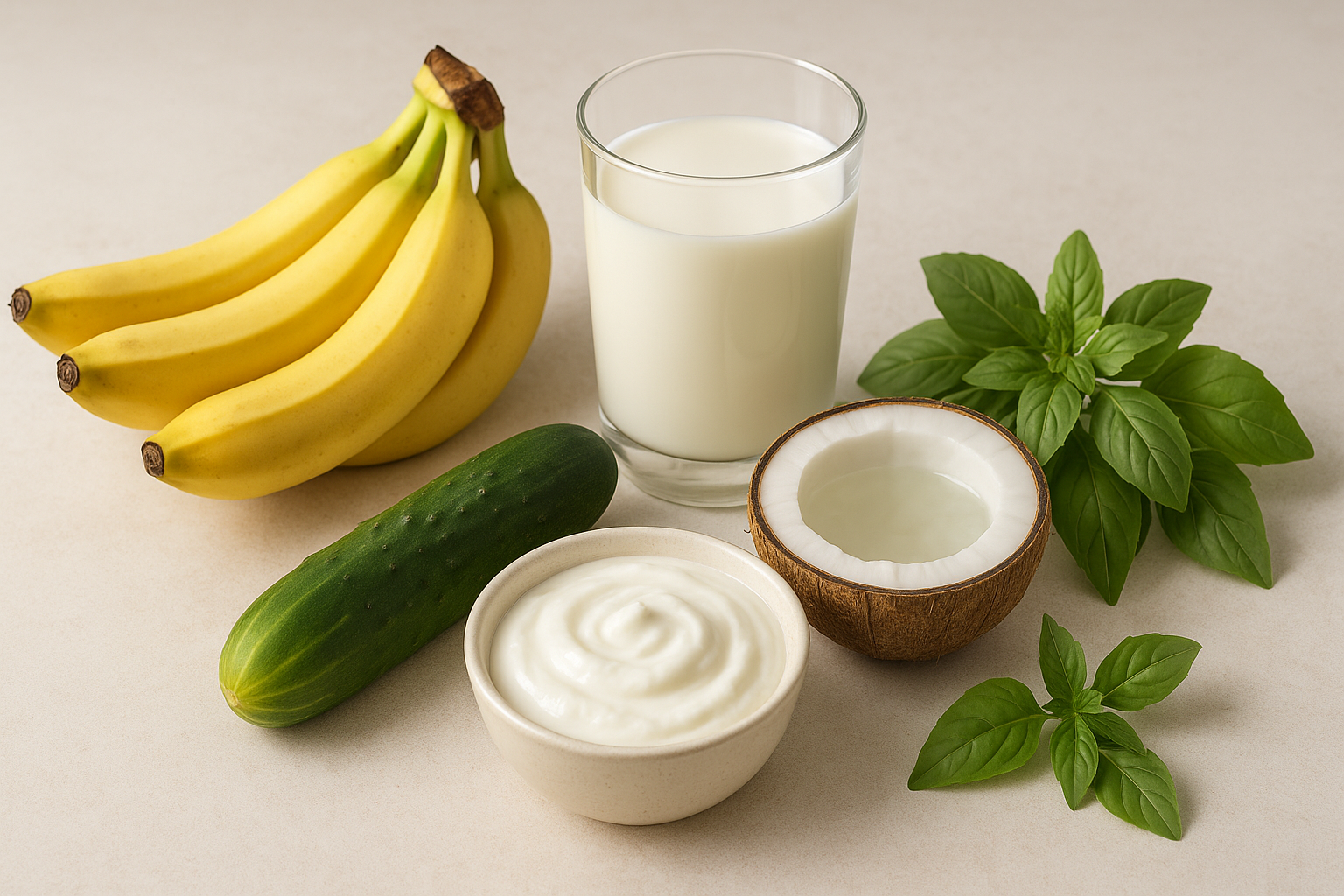
Bananas: Low in acid and high in fiber, bananas coat the stomach lining and reduce irritation.
Oatmeal: A gentle and filling option that absorbs acid and provides long-lasting energy.
Boiled or Steamed Vegetables: Especially carrots, broccoli, and green beans. They are low in fat and sugar and reduce stomach acid.
Ginger: A natural anti-inflammatory that aids digestion and reduces bloating and nausea.
Melons (cantaloupe, watermelon): Alkaline in nature and hydrating, melons are soothing to the stomach.
Non-Citrus Fruits: Apples and pears are excellent choices for people with acidity.
Whole Grains: Brown rice, whole wheat bread, and couscous absorb acid and support healthy digestion.
Low-Fat Yogurt or Buttermilk: These calm the stomach and are good sources of probiotics that maintain gut flora.
Herbal Teas: Chamomile, fennel, or licorice root tea can help soothe acid reflux symptoms.
Alkaline Water: Helps neutralize stomach acidity and promotes hydration.
Foods to Avoid in Acidity
Now let’s turn to the items you should keep off your plate if you frequently deal with acid reflux:
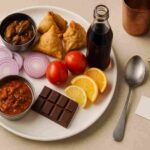
Spicy Foods: Chili, hot peppers, and masalas can irritate the stomach lining and trigger acid reflux.
Citrus Fruits and Juices: Lemons, oranges, and grapefruit increase acidity due to their low pH levels.
Tomatoes and Tomato-Based Products: Tomatoes are naturally acidic and should be avoided in sauces, soups, and curries.
Fried and Fatty Foods: High-fat content slows digestion and relaxes the lower esophageal sphincter.
Caffeinated Beverages: Coffee and tea can stimulate acid production and worsen reflux.
Carbonated Drinks: Soda and fizzy drinks add air to the stomach, increasing pressure and causing reflux.
Chocolate: Its caffeine and fat content can trigger acid production and worsen acidity symptoms.
Onions and Garlic: These common ingredients can trigger acid reflux in many individuals.
Alcohol: Relaxes the esophageal sphincter and increases acid production.
Processed and Packaged Foods: Often high in preservatives, salt, and unhealthy fats that upset the stomach.
Meal Planning Tips for Acidity
To better manage acidity through diet, use these meal planning strategies:
- Eat smaller, more frequent meals
- Don’t skip breakfast
- Don’t eat too close to bedtime (keep a 2-3 hour gap)
- Chew your food slowly and thoroughly
- Stay upright after meals for at least 30 minutes
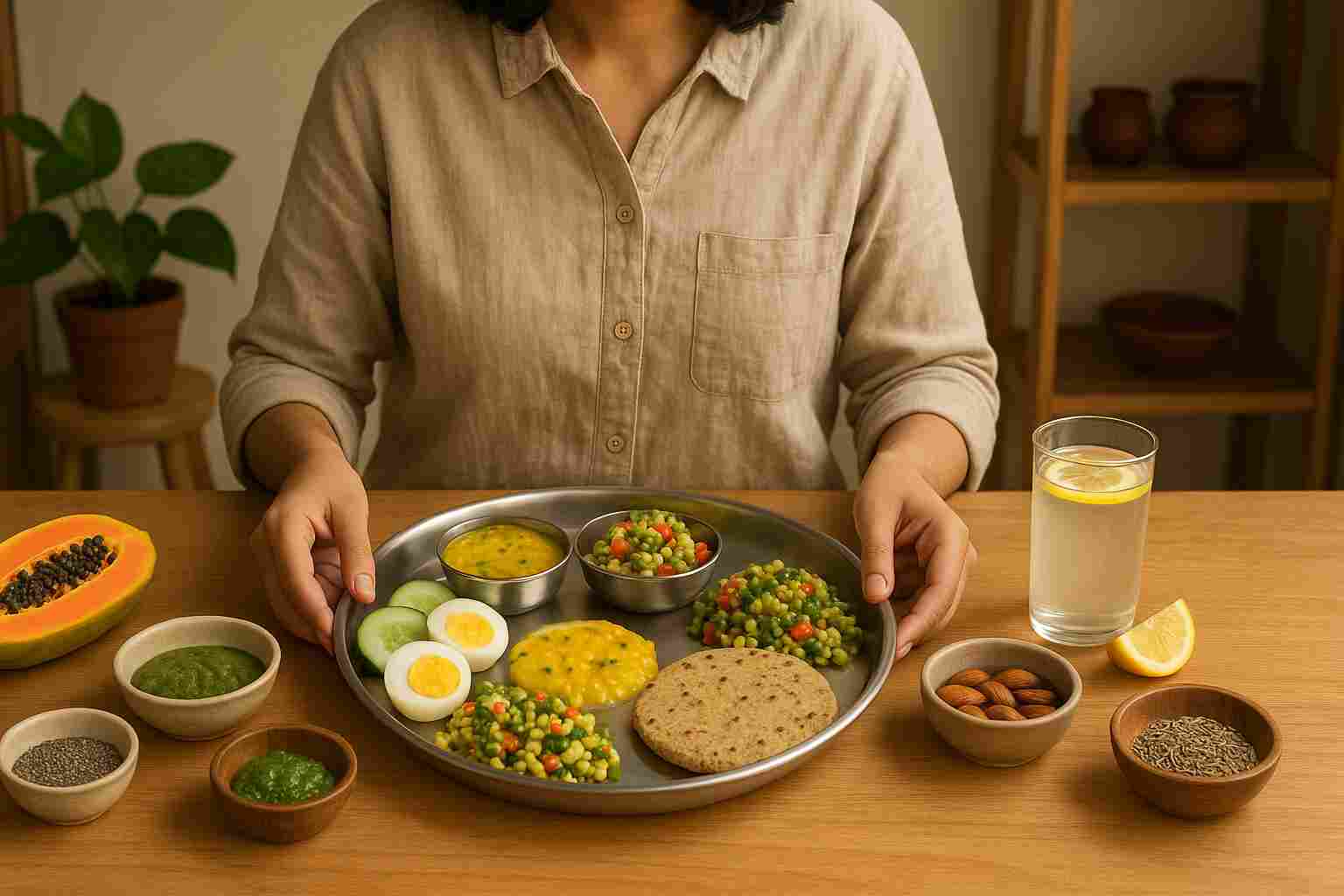
Sample Meal Plan for an Acidity-Free Day
- Breakfast: Oatmeal with banana slices and warm chamomile tea
- Mid-morning snack: A small bowl of papaya or soaked almonds
- Lunch: Steamed brown rice served with lightly boiled vegetables and a glass of plain buttermilk.
- Evening snack: Apple slices with a teaspoon of peanut butter
- Dinner: Fluffy couscous paired with stir-fried leafy greens and a soothing cup of ginger tea.
Home Remedies to Support Digestive Health?
In addition to eating the right foods, these natural remedies can help neutralize stomach acid immediately and reduce acidity:
- Amla juice: Naturally alkaline and high in Vitamin C, it supports digestion and helps balance stomach acidity.
- Fennel seeds: Chew after meals to aid digestion.
- Ajwain (carom seeds): Mix with water to relieve gas and bloating.
- Aloe vera juice: Soothes the stomach and reduces acid production.
How Gaviscon Oral Suspension Antacid Helps?
When dietary changes and home remedies aren’t enough, Gaviscon Oral Suspension Antacid offers fast and effective relief.
Key Benefits:
- Forms a physical barrier that blocks acid from rising into the esophagus.
- Starts working in minutes, unlike some traditional antacids.
- Relieves symptoms like heartburn, bloating, and sour burps.
- Sugar-free options are available for diabetic users.
Safe for occasional use and recommended by healthcare professionals. Gaviscon is especially helpful after consuming a heavy or risky meal, offering peace of mind without disrupting your routine.
Lifestyle Tips to Prevent Acidity
Food is a major player, but lifestyle habits also matter. Here are a few quick adjustments to keep acidity in check:
- Exercise regularly, but avoid workouts right after meals
- Raise the upper part of your body during sleep to prevent night reflux.
- Wear loose clothing to avoid abdominal pressure
- Quit smoking and limit alcohol
- Practice stress management with yoga, meditation, or journaling
Final Thoughts
Managing acidity doesn’t require complicated changes—it starts with understanding what to eat in acidity and what to avoid. Including fiber-rich, low-acid, and hydrating foods in your meals can significantly improve digestive comfort. Avoiding spicy, fried, and acidic foods can make a world of difference.
And when symptoms do occur, Gaviscon Oral Suspension Antacid is a reliable, fast-acting solution to restore balance and ease. By combining the right diet, natural remedies, and occasional use of a trusted antacid, you can keep acidity from interfering with your daily life.
Start with your next meal—make a smart choice and feel the difference!
Disclaimer: This content is just for general information and advice. It’s not meant to replace a doctor’s opinion. Always talk to a medical expert or your own doctor for proper guidance. AcidRefluxindia is not responsible for how you use this information.