




Fasting is practiced for spiritual, health, or lifestyle reasons. While it has benefits like detoxification, improved focus, and better metabolism, it can also trigger acidity if not managed correctly. Many people experience symptoms of acid reflux and heartburn when they fast without a proper plan. This guide will help you understand how to avoid acidity during fasting and how Gaviscon Oral Suspension Antacid can offer effective relief when needed.
Why Does Acidity Occur During Fasting?
When you fast, your stomach may continue producing digestive acids even in the absence of food. This acid can irritate the stomach lining, causing a burning sensation, bloating, and discomfort. Factors contributing to acidity during fasting include:
- An empty stomach for long hours
- Irregular hydration
- Consuming heavy, oily foods after breaking the fast
- Caffeine intake on an empty stomach
- Stress and lack of sleep
Understanding these triggers is the first step in managing acidity while fasting.
Break Your Fast with Gentle, Alkaline Foods
The first meal after fasting plays a significant role in your digestive comfort. Avoid spicy, deep-fried, or greasy dishes that can spike acid levels.
Choose the following foods to avoid acidity:
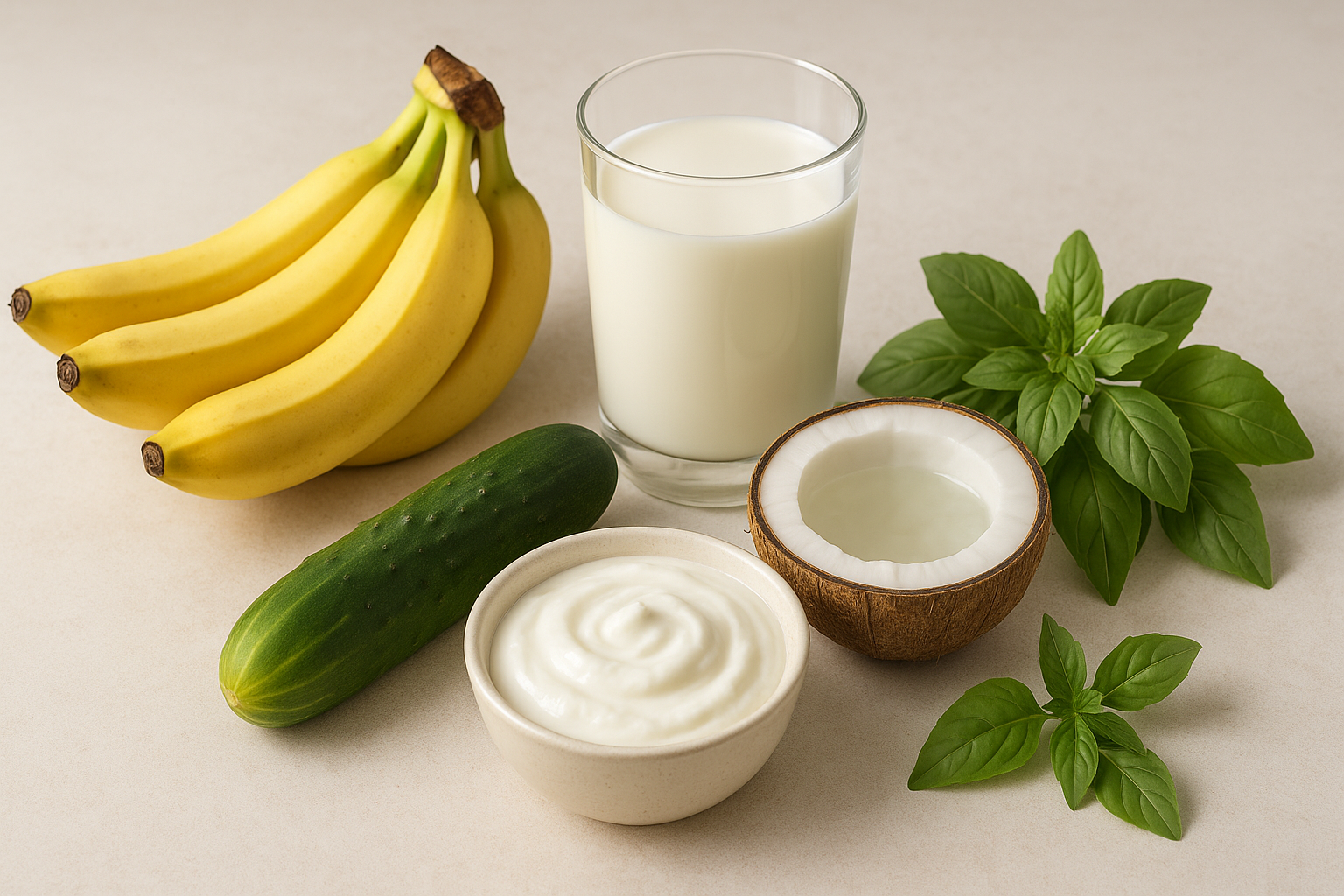
- Bananas, apples, or papayas
- Boiled or sautéed vegetables
- Warm oats or porridge
- Buttermilk or curd
- Soaked nuts (especially almonds)
These options soothe the stomach and are easy to digest, helping neutralize excess acid.
Stay Consistently Hydrated
Lack of fluids is a major reason for acidity during fasting. Dehydration reduces saliva production, which normally helps in neutralizing stomach acid.
Hydration tips:
- Drink 1-2 glasses of water before fasting
- Sip water gradually after breaking the fast
- Avoid gulping large quantities at once
- Include coconut water or cucumber-infused water post-fast.
Water also helps flush out toxins and supports healthy digestion.
Say No to Caffeinated Drinks
Drinking tea or coffee without eating first may aggravate acid reflux symptoms. They relax the lower esophageal sphincter, allowing acid to move up.
Safer substitutes include:
- Ginger tea
- Chamomile tea
- Fennel water
- Cumin water
If you must consume caffeine, do so after a light meal to reduce acid impact.
Eat Slowly and Mindfully
Eating too quickly after a long fast overloads your digestive system, often causing gas and acidity.
How to eat mindfully:
- Take small bites
- Chew thoroughly
- Pause between bites
- Stop eating when you feel 80% full
This simple technique helps your body break down food properly and prevents overeating.
Include Natural Digestive Aids
Traditional herbs and spices can help stimulate digestion and maintain acid balance. Helpful ingredients to avoid acidity :
- Fennel seeds
- Carom seeds (ajwain)
- Mint leaves
- Basil leaves
- Ginger slices
Make herbal teas with these or mix them with warm water post-meals.
Steer Clear of Acidic and Processed Foods
Avoid foods that are naturally acidic or heavily processed when fasting. Such food causes heartburn and triggers acidity. You must avoid them:
- Citrus juices
- Tomato-based dishes
- Pickles
- Packaged chips
- Carbonated drinks
They can cause bloating and trigger heartburn symptoms.
Keep a Consistent Eating-Fasting Routine
Inconsistency in fasting schedules can confuse your digestive system. You should maintain a pattern:
- Stick to a fixed fasting and eating window
- Eat a balanced pre-fast meal
- Don’t drastically shift from one eating pattern to another
Your stomach works better when it has a rhythm to follow.
Avoid Lying Down After Eating
Lying down right after breaking your fast may cause stomach acid to flow back up into the esophagus. Do the following to reduce this risk:
- Stay upright for 2-3 hours post-meal
- Take a short walk
- Sleep with your head slightly raised using extra pillows to help keep stomach acid down.
- Proper posture aids digestion and reduces acid reflux
Manage Fasting Stress Levels
Fasting may trigger mood changes like irritability or nervousness, which can contribute to increased acid production. You can try these stress-reducing practices:
- Meditation or prayer
- Deep breathing exercises
- Listening to soft music
- Stretching or light yoga
Mental calmness often leads to better digestion.
Use Gaviscon Oral Suspension for Relief
If dietary adjustments and natural remedies don’t offer full relief, it may be time to consider a proven antacid. Gaviscon Oral Suspension Antacid is a doctor-trusted solution that works by forming a protective layer over the stomach’s contents. This barrier prevents acid from rising into the esophagus, helping to ease discomfort associated with fasting-induced acidity.
What are the Benefits of Gaviscon?
- Two-Way Relief: Reduces acid levels and creates a protective layer to stop reflux
- Fast-Acting Relief: Begins working in just minutes to reduce burning and indigestion.
- Targeted Support: Especially helpful when fasting leads to heartburn after long gaps without food.
- Gentle on the Stomach: Suitable for occasional use even during dietary restrictions.
- Convenient to Use: Liquid format ensures quick absorption and ease of use.
Whether breaking your fast or experiencing acid discomfort later, Gaviscon helps bring fast and long-lasting relief.
Additional Tips to Reduce Acidity While Fasting
Follow these meal planning ideas:
- Prepare light and alkaline meals beforehand
- Include steamed rice, boiled potatoes, or plain khichdi
- Add herbal chutneys made with mint or coriander
- Avoid food combos like:
- Milk with citrus fruits
- Fried foods with yogurt
- Don’t ignore warning signs:
- Frequent heartburn
- Difficulty swallowing
- Persistent sore throat
These may require medical attention.
Final Words
Fasting doesn’t have to mean enduring acidity and discomfort. With some mindful practices and healthy food choices, you can enjoy the benefits of fasting while keeping your digestive system happy.
From breaking your fast with alkaline foods and staying hydrated to using herbs and managing stress, each small change can make a big difference. And when symptoms persist, Gaviscon Oral Suspension Antacid can provide the reliable relief you need to carry on with your fasting goals, free from discomfort. Take care of your gut during fasting, and it will take care of you in return.
Disclaimer: This content is just for general information and advice. It’s not meant to replace a doctor’s opinion. Always talk to a medical expert or your own doctor for proper guidance. AcidRefluxindia is not responsible for how you use this information.